


Why it matters:
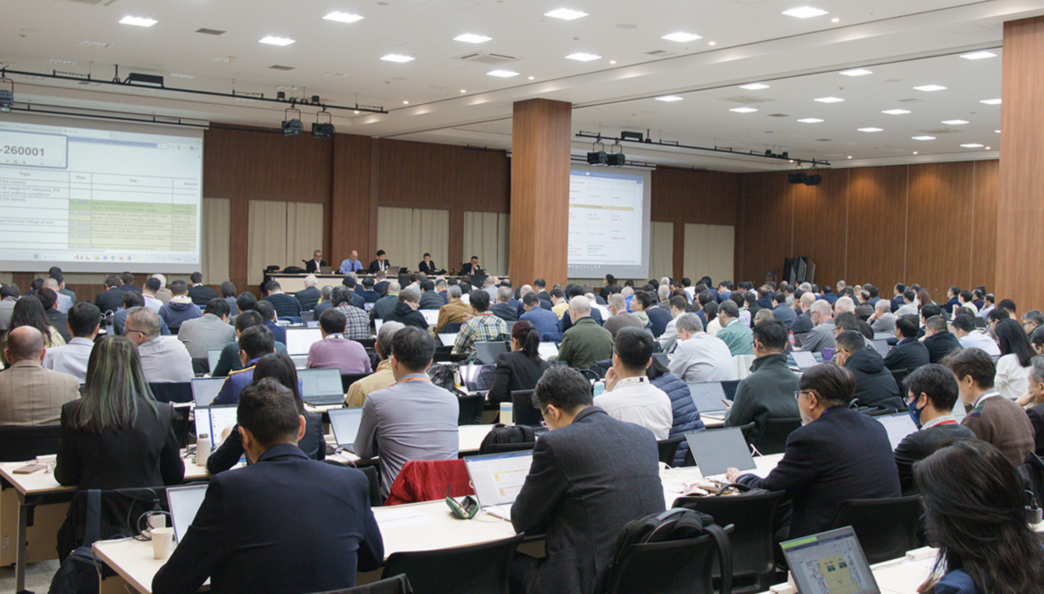
Fukuoka was not the moment when 3GPP “defined 6G.” It was the moment when 6G started to look less like a vision exercise and more like an organized standards program. Release 20 is where 3GPP is running the key 6G studies. Release 21 is expected to be the start of normative 6G work, with the timeline due to be finalized by June 2026.
Driving the news:
At TSG#111, 3GPP highlighted the completion of the first major SA-side 6G study step and the broader transition now underway across the standards stack. On the requirements side, TS 22.270, 6G System Requirements, is now visible as a draft, while the earlier TR 22.870 on 6G use cases and service requirements remains the key Stage 1 study anchor. On the architecture side, TR 23.801-01, Study on Architecture for 6G System, is active. On the core network side, TR 29.841 and TR 29.842 show that 6G work is already extending into user plane protocol aspects and resilience/reliability studies.
What stands out:
The biggest takeaway is that 6G in 3GPP is not being framed as only a radio story. Yes, RAN’s TR 38.914, Study on 6G Scenarios and Requirements, remains a central piece of the puzzle and is scheduled through RAN#112 in June 2026. But Fukuoka also reinforced that 6G is being built as a full system effort spanning service requirements, architecture, protocol design, and resilience.
Between the lines:
This is where the industry should be careful. There is still a lot of “6G” marketing in the market, but the standards reality is more disciplined. 3GPP itself has been clear that two releases are needed: Release 20 for studies, Release 21 for normative work. That means Fukuoka matters not because it delivered a finished 6G blueprint, but because it tightened the handoff from study items into the machinery that will shape the first formal specifications.
The bigger picture:
The timing is not accidental. In March 2026, ITU also announced agreement on draft IMT-2030 technical performance requirements for 6G radio interfaces. That gives extra weight to what is happening inside 3GPP now. The window for vague positioning is closing. The window for translating ambition into requirements, architecture, and candidate technologies is opening.
What to watch next:
The next major checkpoint is June 2026. That is when the Release 21 timeline is expected to crystallize further and when RAN’s 6G scenarios and requirements study is scheduled to reach its next major milestone. For anyone tracking where 6G is really headed, that matters more than broad vision statements.
Bottom line:
Fukuoka did not give the industry a finished 6G story. It gave something more useful: evidence that 3GPP is moving 6G out of the concept phase and into the structured, document-driven phase where future power in the stack will actually be defined.