


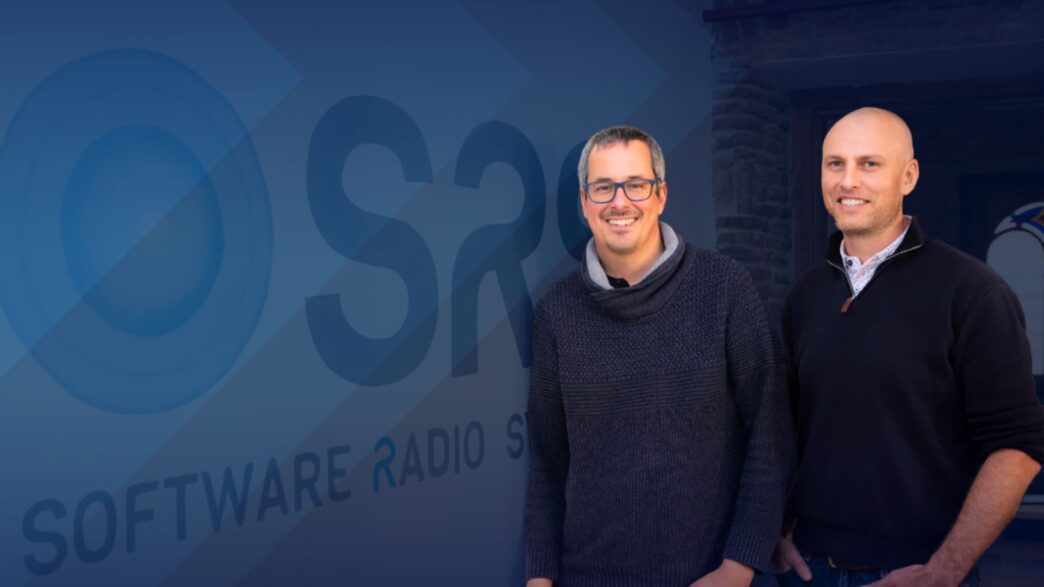
Rohde & Schwarz has acquired Software Radio Systems (SRS), with the deal taking effect on March 5, 2026, in a move that deepens its position in software-defined mobile communications and targets growth areas including NTN, AI-based test solutions and 6G. SRS will continue operating under its own name, while keeping its leadership team and roadmap.
Why it matters: this is not just a test-and-measurement company buying a small software asset. SRS brings a carrier-grade software CU/DU capability, and Rohde & Schwarz explicitly says the combination should create synergies between its mobile radio testing portfolio and SRS’s RAN software expertise.
The bigger picture: the market is shifting from testing disaggregated networks to competing over the software foundations underneath them. That is where the OCUDU angle matters. SRS said last year it had been selected, alongside DeepSig, by the National Spectrum Consortium on behalf of the FutureG Office to help build the initial software for OCUDU, which it described as the “Linux of RAN.”
That effort has now expanded. In March 2026, the Linux Foundation launched the OCUDU Ecosystem Foundation, describing it as a public-private initiative built around a production-ready open source CU/DU stack for 5G and early 6G, along with reference architectures, conformance tooling and deployment blueprints. Linux Foundation also says the initiative extends open source deeper into RAN intelligence, automation and edge orchestration.
Between the lines: Rohde & Schwarz is buying more than engineering talent. It is buying a stronger position near a potentially strategic layer of the future wireless stack, where carrier-grade CU/DU software, AI-native capabilities, testing, validation and ecosystem governance may increasingly converge. That is an inference, but it is grounded in the acquisition rationale, SRS’s role in OCUDU and the Linux Foundation’s framing of the initiative.
What to watch: whether Rohde & Schwarz can scale SRS globally without diluting the openness and flexibility that made it valuable in the first place, and whether OCUDU becomes a real deployment-grade software foundation rather than just another industry structure with impressive logos. If that happens, this deal may be remembered less as an acquisition headline and more as part of a broader shift in who controls the software layer of AI-native wireless networks. The last sentence is an inference based on the cited announcements.